

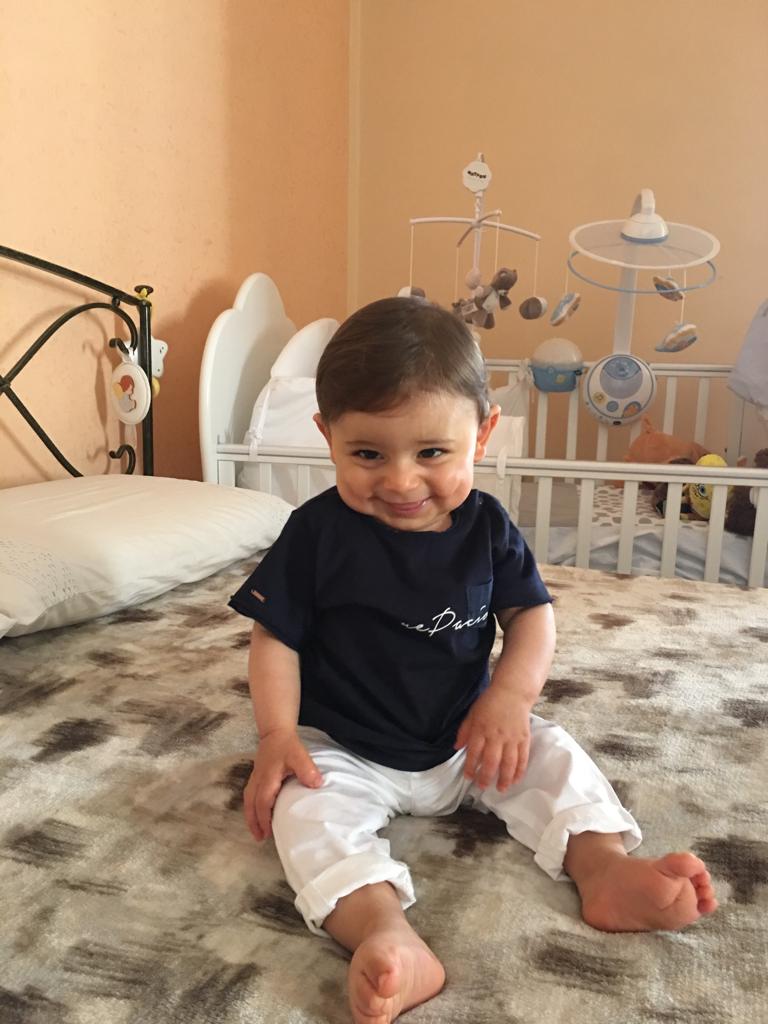
Niccolò is a 5-year-old boy, born in 2017 by natural childbirth. At the age of 7 months he still could not sit up independently. He looked like a teddy bear that needed support to sit up. The first child neuropsychiatric examination certified a delay in psychomotor development and prescribed clinical investigations, as well as the immediate need to start a course of neuropsychotherapy and physiotherapy.
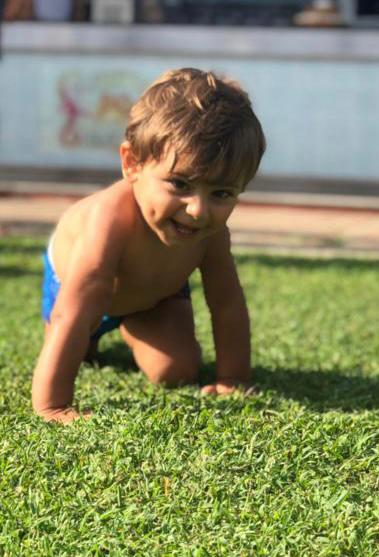
Thanks to the therapy, at the age of one and a half years old, Niccolo’ reached the stage of sitting and crawling (December 2018), and started a crumbling and ataxic gait in February – March 2020.
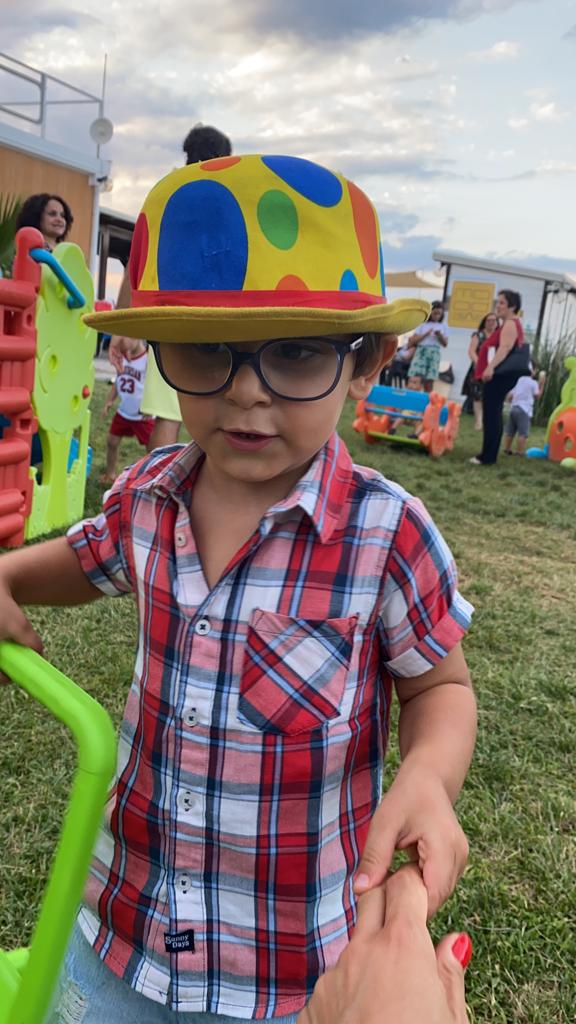
From the first months of age he presented nystagmus (mainly vertical) and from the age of 18 months he began to wear lenses to which prisms were added to try to improve the tendency of chin down, currently removed as he has discovered other postural compensations (in addition to the head down and eyes towards the ceiling he will also turn his head sideways and look towards the centre from the opposite side.
As he grew up and expanded his activities, he manifested tremors in both upper and lower limbs, which are accentuated when he has to perform precise tasks or when he experiences strong emotional states (both positive and negative).
Moreover, the set of symptoms worsens when he wakes up, (lack of balance, excessive nystagmus, non-self-sufficiency) especially after prolonged sleep for which he is taking a drug (antiepileptic: Acetazolamide, 1/4 of 0.50 mg) which helps him to contain the symptoms and reduce the time of physical recovery.
A year ago we were told that the cause of our son’s speciality was due to a de novo (not present in parents) genetic mutation in the last exon of the DAGLA gene
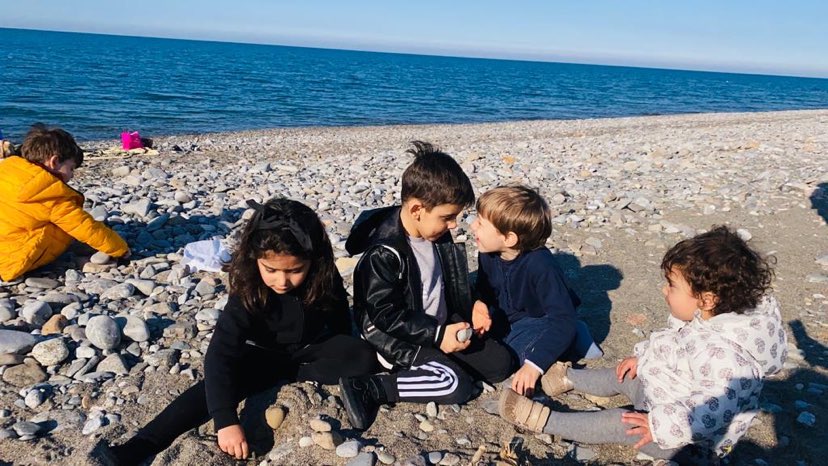
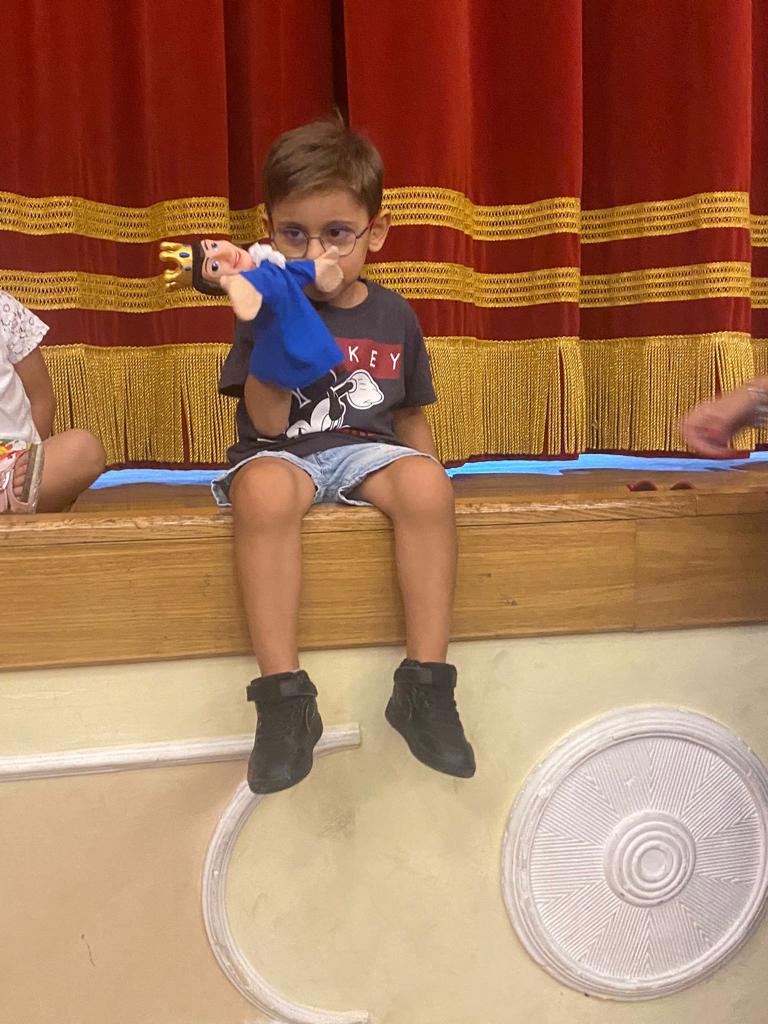
Niccolò lives his social life in full normality, he goes to kindergarten, drama school, and participates in many recreational and playful encounters with his peers.
He has therapy during the week (2/3 times neuropsychomotricity, 2 times physiotherapy and 1 time occupational therapy to improve daily self-sufficiency which he alternates with 1 session of speech therapy for the attentional aspect).
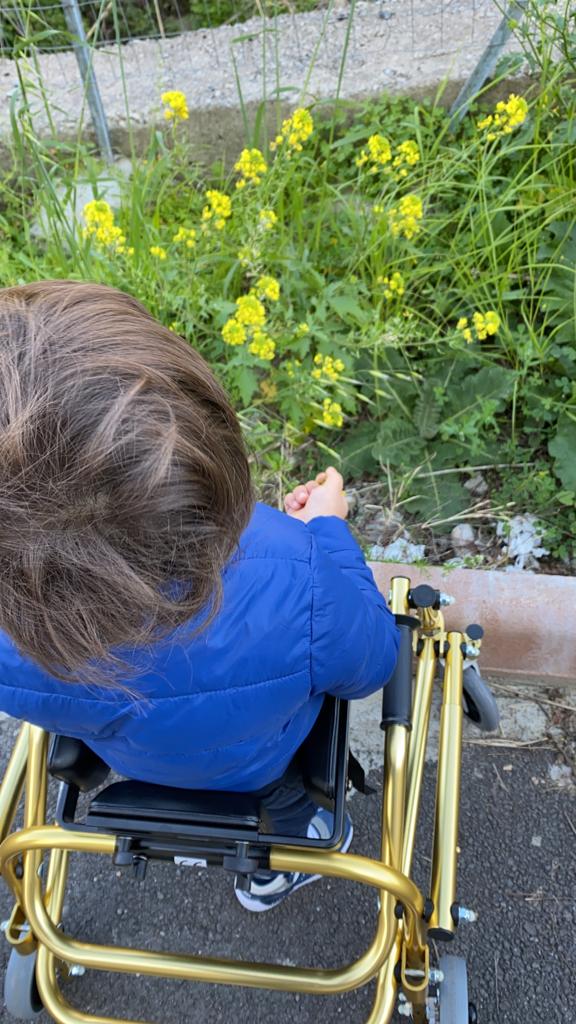
Currently Niccolò walks independently and without the aid of the trolley that has accompanied him for about a year, but he continues to fall often and it is still very difficult, if not impossible, for him to walk a long distance.
He eats independently, but tires easily and needs help as well as for all the other daily acts of his life.
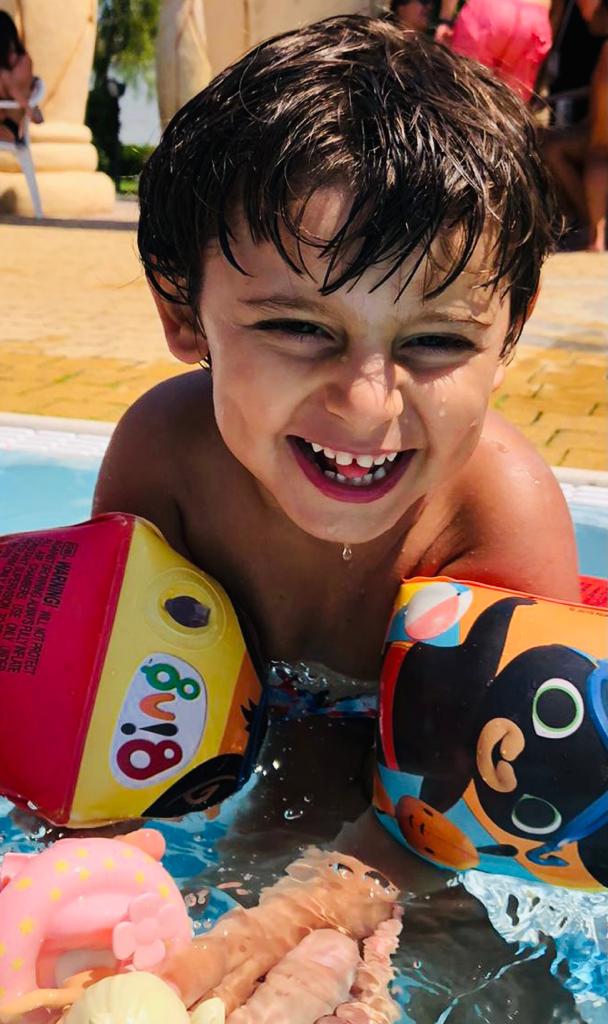
We, parents, hope that Niccolò will continue to improve and amaze us as he has done up to now. Our hope is that the research will move forward and reassure us that the disease will not evolve into a degenerative disease. We need to contribute to clinical and pharmacological research and we will work for this.
We hope that the story of Niccolò will be of help for patients who will discover they have this disease, but above all that it will be of comfort and support for the families of the little patients, because with his strength and determination Niccolò has shown that there is hope.
He is the most splendid gift we could ever have received.
 DAGLA gene & NODRS Family